What iGaming Brands Get Wrong in LATAM
Latin America represents one of the world's most compelling iGaming opportunities. With over 650 million inhabitants, explosive mobile adoption, and an unmatched passion for sports, the region's projected growth from $21 billion in 2023 to $54 billion by 2026 has international brands scrambling for market share. Yet despite these promising numbers, most global operators are burning through cash faster than a carnival parade burns through confetti.
The problem isn't market size or player appetite—it's cultural blindness. International brands keep making the same fundamental mistakes, treating LATAM as a homogeneous English-speaking market with a Spanish translation layer. The result? Campaigns that feel foreign, payment systems that don't work, and customer experiences that miss the mark entirely. What should be a goldmine becomes a money pit.
After watching countless brands stumble in markets from São Paulo to Bogotá, the patterns are clear. Success in LATAM isn't about spending more—it's about understanding less obvious cultural dynamics that make or break player acquisition and retention.
Treating Spanish as One Language
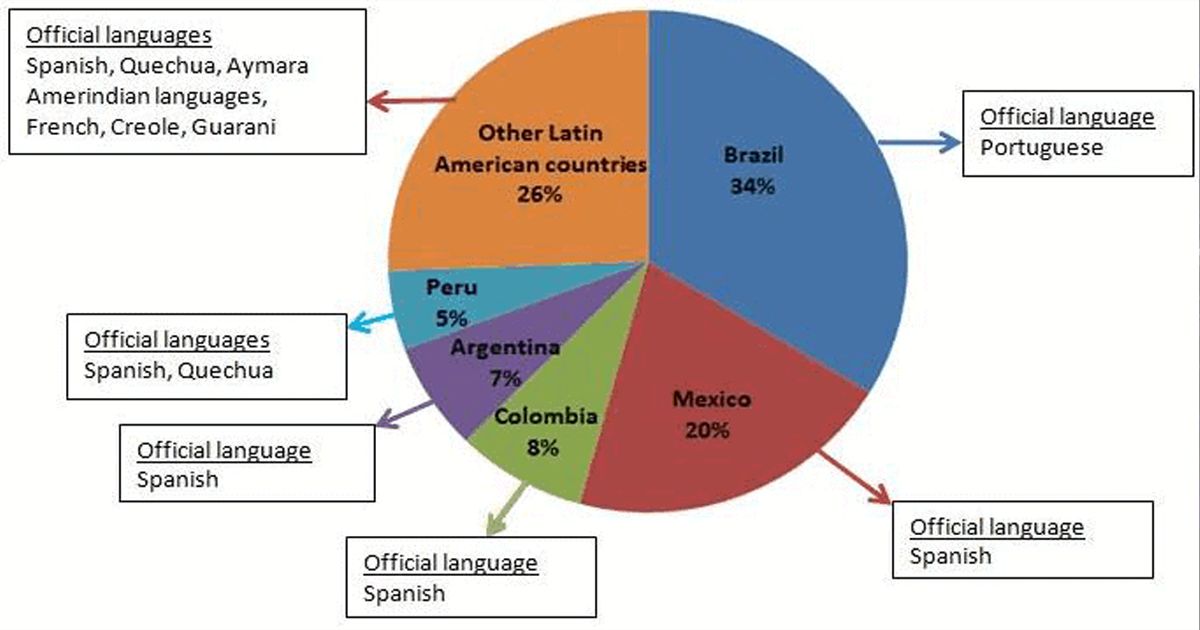
The most expensive mistake brands make is assuming "Spanish localization" means hiring a translator from Madrid. With 300 million Spanish speakers across LATAM—66% of the world's total—the linguistic landscape is a maze of regional variations that can make or break a campaign.
Mexican Spanish uses "propina" for tip, while in some South American countries it means bribe. In Argentina, "coger" means to grab or take, but in Mexico, it's profanity. When a major European sportsbook launched their "Grab Your Winnings" campaign across multiple markets without regional adaptation, the Mexican reception was less than enthusiastic.
The solution isn't just translation—it's cultural transcreation. Successful brands localize for at least three major variants: Mexican Spanish for North America, Colombian Spanish for the Andean region, and Rioplatense Spanish for the Southern Cone. Each variant opens different markets and player psychology. Ignoring these differences costs millions in customer acquisition that never converts.
Misunderstanding Brazilian Portuguese Entirely
Brazil isn't just the largest market in LATAM—it's fundamentally different from every other country in the region. With over 200 million Portuguese speakers and a GDP that dwarfs most neighbors, Brazil requires its own strategy, not a Spanish adaptation.
European Portuguese and Brazilian Portuguese are more different than American and British English. Words like "rapariga" mean "girl" in Portugal but "prostitute" in Brazil. When brands use European Portuguese translations for Brazilian audiences, they're not just missing the mark—they're potentially offensive.
But the linguistic differences run deeper than vocabulary. Brazilian culture emphasizes warmth, personal connection, and informal communication. Brands that maintain formal European messaging styles struggle to build the emotional connections that drive loyalty in Brazilian markets. The most successful campaigns feel like conversations with friends, not corporate communications.
Ignoring Payment Culture and Infrastructure
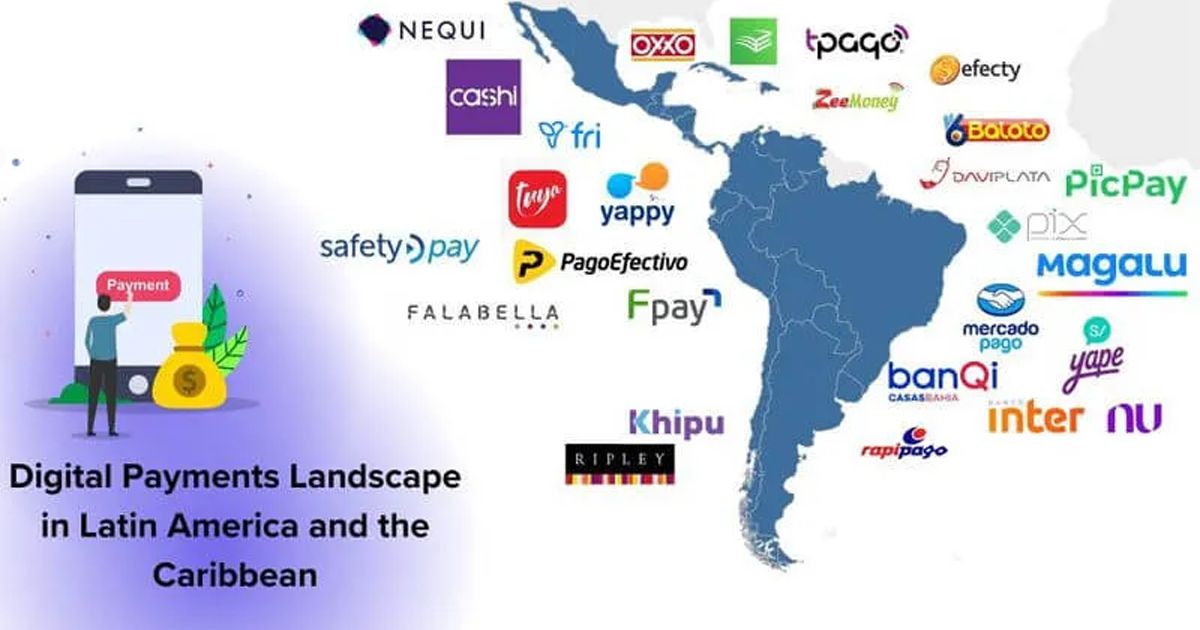
LATAM payment preferences reflect deep cultural attitudes toward money, technology, and trust that most international brands completely misunderstand. While North American and European operators focus on credit cards and bank transfers, LATAM players rely heavily on cash-based systems, prepaid solutions, and alternative payment methods.
In Brazil, Boleto Bancário allows players to pay with cash at physical locations—a system that seems archaic to digital-first operators but represents financial inclusion for millions. In Mexico, OXXO convenience store payments dominate. In Argentina, economic instability has made cryptocurrency payments surprisingly popular among certain demographics.
Brands that launch with only international payment options lose customers at the deposit stage. Local payment integration isn't just convenience—it's trust. Players want to use familiar systems that feel secure within their economic reality. The best operators partner with regional payment providers and offer multiple local options, even if international processing seems simpler.
Misreading Sports Culture and Timing
Football dominates LATAM sports betting with 81% of Brazilian bettors placing soccer wagers, but international brands consistently misunderstand the deeper cultural rhythms around sports engagement. It's not just about offering football betting—it's about understanding which leagues matter, when passion peaks, and how community viewing culture affects betting behavior.
Liga MX in Mexico, Copa Libertadores across South America, and the Brasileirão in Brazil generate different emotional intensities than European leagues. Local teams command loyalty that transcends rational betting strategy. When Boca Juniors plays River Plate in Argentina, it's not just a match—it's a cultural event that stops the country.
Basketball has surged to 33% of Brazilian bettors, while eSports captures 29%—numbers that surprised many operators focused exclusively on football. The most successful brands build around local sports calendars, understand regional team rivalries, and time their biggest campaigns around tournaments that actually matter to local audiences.
Overlooking Regulatory Fragmentation
LATAM isn't a single regulatory environment—it's 20 different countries with vastly different legal frameworks, enforcement patterns, and cultural attitudes toward gambling. Brands that treat the region as legally homogeneous face compliance disasters and reputational damage.
Colombia became the first fully regulated online gambling market in LATAM in 2016 and remains the most mature framework. Brazil's market officially launched in January 2025, but enforcement and final regulations are still evolving. Mexico operates in a grey zone where enforcement is selective. Argentina's provinces regulate independently, creating a patchwork of local rules.
The mistake isn't just legal—it's strategic. Brands often choose one market as their LATAM "headquarters" and assume they can expand regionally from there. But Colombian regulatory success doesn't translate to Brazilian market entry. Each country requires separate compliance strategies, legal partnerships, and often different business models entirely.
Misunderstanding Mobile-First Behavior
LATAM is mobile-first by necessity, not choice. With 75% smartphone penetration in urban areas and limited desktop infrastructure, mobile isn't just preferred—it's often the only option. Yet many international brands port desktop experiences to mobile rather than building truly mobile-native platforms.
Data costs and connectivity issues mean LATAM players are extremely sensitive to app performance, download sizes, and data usage. A betting app that works perfectly on European 5G networks can be unusable on 3G connections common in rural Brazil or Colombia. The most successful platforms optimize for low-bandwidth environments and offer offline features.
Social integration matters more in LATAM mobile gaming culture. WhatsApp dominates communication, TikTok drives discovery, and Facebook remains relevant for community building. Brands that ignore these social platforms or treat them as afterthoughts miss the primary channels where players discover and discuss betting opportunities.
Underestimating Economic Volatility Sensitivity
Economic instability across LATAM creates player behaviors that stable-market operators struggle to understand. Currency fluctuations, inflation, and economic uncertainty make LATAM players extremely price-sensitive and deal-focused in ways that don't match North American or European patterns.
In Argentina, where inflation routinely exceeds 100%, players prefer promotions and bonuses that hold value over time rather than percentage-based offers that erode with currency devaluation. In Brazil, economic uncertainty makes players more likely to withdraw winnings quickly rather than letting balances accumulate.
Successful operators adapt their promotional strategies to economic realities. Fixed-value bonuses in stable currencies, cryptocurrency options, and loyalty programs that protect against inflation perform better than traditional European-style percentage bonuses. Understanding local economic psychology drives both acquisition and retention strategies.
Missing Community and Social Elements
LATAM gaming culture is intensely social in ways that individualistic markets don't experience. Betting isn't just personal entertainment—it's community activity shared through extended social networks. Brands that ignore these social dynamics struggle to achieve viral growth and organic advocacy.
Group betting, social challenges, and community predictions are more than features—they're cultural expectations. Players want to share experiences, compete with friends, and participate in collective excitement around major sporting events. The most successful platforms build community features that amplify social engagement rather than just individual betting.
Influencer partnerships work differently in LATAM, where authenticity and community connection matter more than follower counts. Local streamers, sports commentators, and community figures often drive more engagement than international celebrities. Building grassroots community advocacy trumps top-down marketing campaigns.
Failing to Build Local Partnerships
International brands often try to launch in LATAM markets solo, assuming global resources and technology advantages will translate to local success. This approach consistently fails because it ignores the relationship-driven business culture that dominates the region.
Successful operators partner with local media companies, sports organizations, payment providers, and even competitor networks to build credibility and market access. These partnerships aren't just business arrangements—they're cultural bridges that provide authenticity and trust that foreign brands can't achieve independently.
Local partnership strategies require patience and relationship investment that quarterly-focused public companies often resist. But brands that invest in long-term local relationships consistently outperform those focused on immediate market penetration and short-term customer acquisition metrics.
The Path Forward
LATAM success isn't about avoiding mistakes—it's about embracing complexity. The brands winning in these markets treat each country as a distinct opportunity requiring cultural fluency, not just market analysis. They invest in local teams, build authentic relationships, and adapt their entire approach rather than translating existing strategies.
The opportunity remains massive. But it belongs to operators willing to do the cultural work that transforms international brands into local favorites. In a region where personal connection and community trust drive customer loyalty, understanding beats scaling every time.
Navigating LATAM's complex iGaming landscape requires deep cultural intelligence and strategic precision. At RedKing Marketing, we help international brands avoid costly mistakes and build authentic connections that drive sustainable growth across Latin American markets. Contact us to unlock your LATAM potential the right way.