The Untapped Potential of Korean iGaming
South Korea sits at the center of Asia's most fascinating iGaming paradox. With 52 million highly connected consumers, the world's most advanced mobile infrastructure, and a gaming culture that spans from PC bangs to global eSports dominance, Korea should be every operator's priority market. Instead, it remains largely untouchable—a $878 million opportunity wrapped in regulatory complexity and cultural contradictions that have kept most international brands at arm's length.
The numbers tell a compelling story. Korean online gambling market revenue is projected to reach $878.70 million by 2024, while illegal gambling cases have tripled from 13,000 to 39,000 between 2019 and 2023. This isn't market weakness—it's pent-up demand with nowhere legal to go. When 2.37 million adults meet the criteria for gambling addiction despite having access to only one legal casino, the underlying appetite becomes impossible to ignore.
Yet Korea's potential extends far beyond frustrated demand. This is a market where mobile gaming revenues dwarf most countries, where eSports betting represents untapped billions, and where technological sophistication creates opportunities that don't exist elsewhere. The question isn't whether Korea represents opportunity—it's whether international operators can navigate the cultural and regulatory complexity required to capture it responsibly.
The Korean Gaming Ecosystem: Beyond eSports
Korea's gaming landscape defies simple categorization. While Western operators often focus on eSports as the entry point, Korean gaming culture encompasses far more than competitive tournaments. Mobile gaming dominates daily engagement, with sophisticated players expecting premium experiences that integrate social features, live streaming, and community elements in ways that traditional Western platforms struggle to replicate.
The PC bang culture—internet cafes where social gaming happens—remains central to Korean gaming identity despite mobile growth. These venues serve as cultural bridges between traditional gaming and emerging formats, creating opportunities for operators who understand how offline community translates to online engagement. Korean players don't just game individually; they participate in shared cultural experiences that combine entertainment, social connection, and competitive achievement.
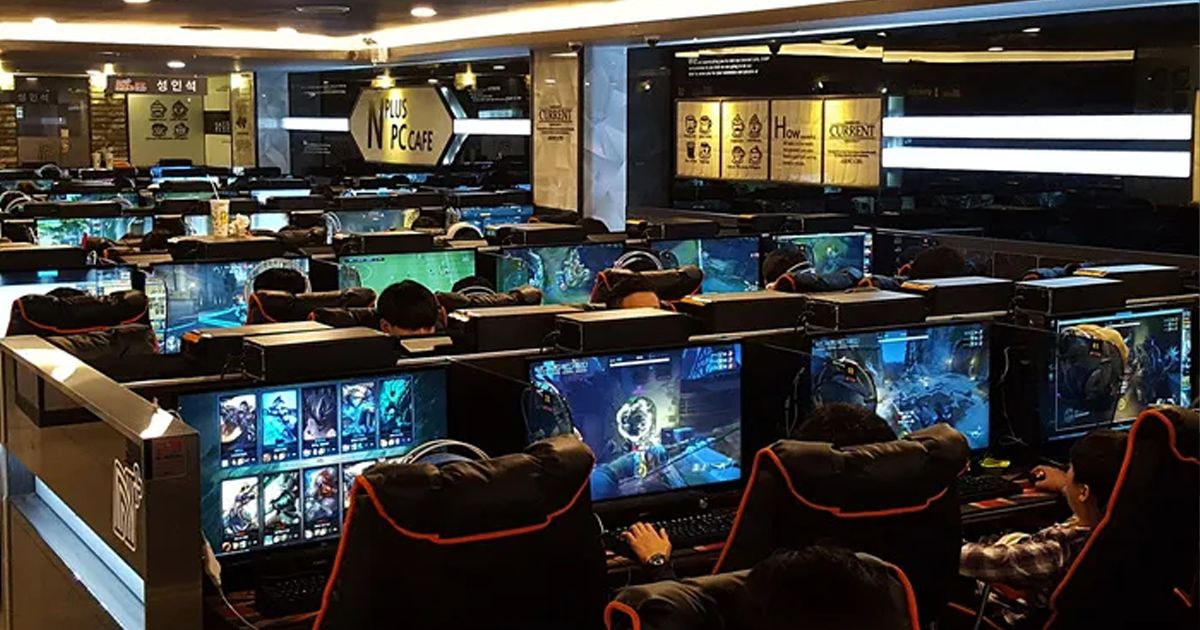
This cultural complexity extends to payment preferences, with Korean consumers favoring integrated financial systems that combine gaming, commerce, and social interaction. International operators who treat Korea as "just another Asian market" miss the unique technological and cultural integration that defines successful local engagement.
Regulatory Maze: Where Innovation Meets Restriction
Korean gambling regulation represents one of the world's most complex frameworks, where the same government that restricts casino access for locals simultaneously supports cutting-edge gaming technology development. Only one casino—Kangwon Land—serves Korean nationals, yet the country leads global gaming innovation and hosts massive eSports events with betting elements that blur traditional regulatory lines.
The legal framework prohibits most online gambling under Article 246 of the Criminal Code, with penalties reaching three years imprisonment and ₩20 million fines for habitual offenders. Yet enforcement creates grey areas where skill-based gaming, eSports participation, and blockchain-based play-to-earn models operate in regulatory uncertainty. Recent court decisions have sided with regulators in revoking ratings for blockchain games, signaling stricter enforcement of speculative activity restrictions.
International operators face additional complexity through Korea's extraterritorial jurisdiction, where Korean nationals can be prosecuted for gambling abroad. This creates unique compliance challenges that extend beyond Korean borders, requiring operators to consider not just local laws but also the international activities of Korean users.
The Underground Economy: Scale and Sophistication
Korea's illegal gambling market has reached staggering proportions, growing from ₩70 trillion in 2016 to ₩102 trillion in 2022—roughly five times the revenue of legal gambling options. This underground economy operates with technological sophistication that rivals legal markets, using VPNs, cryptocurrency, and mobile apps to serve millions of Korean players who cannot access legal alternatives.
The Korea Communications Standards Commission has blocked over 40,000 online gambling websites between 2018 and 2022, yet new platforms continue emerging faster than authorities can shut them down. This cat-and-mouse game reveals both the scale of demand and the technological sophistication of operators willing to serve Korean players despite legal risks.
Recent high-profile cases, including comedian Lee Jin-ho's public confession of gambling debts borrowed from BTS member Jimin, highlight how deeply illegal gambling has penetrated Korean society. When celebrities openly admit to gambling problems involving billions of won in debt, it signals both the accessibility of illegal options and the cultural shift needed for regulatory reform.

Mobile-First Innovation: Leading Global Trends
Korean mobile gaming sophistication exceeds most markets, with consumers expecting seamless integration between gaming, social media, financial services, and entertainment platforms. Mobile payment adoption reaches near-universal levels, with players comfortable conducting complex financial transactions through gaming interfaces in ways that create opportunities for innovative operators.
The integration of live streaming, community features, and real-time social interaction has become standard in Korean mobile gaming, creating expectations that traditional Western gambling platforms often can't meet. Korean players expect games that feel more like social platforms than gambling applications, with community features that support long-term engagement rather than transactional interactions.
Korea's 5G infrastructure leadership creates additional opportunities for enhanced gaming experiences, including augmented reality betting, real-time sports data integration, and community features that leverage ultra-low latency connections. Operators who can build platforms optimized for Korean mobile infrastructure gain significant competitive advantages in user experience and engagement.
eSports: The Legitimate Gateway
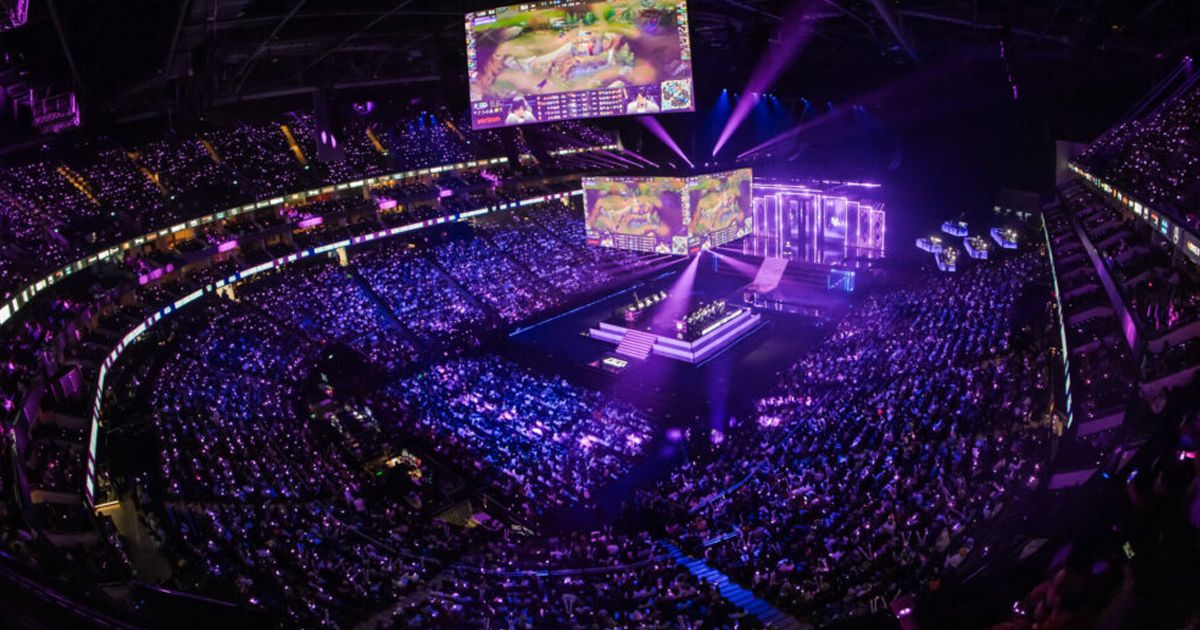
Korea's eSports dominance creates the clearest path for international operators to engage Korean audiences legally and culturally. With Korean teams leading global competitions and Korean players commanding massive followings, eSports represents a bridge between gaming culture and betting appetite that doesn't exist in most markets.
The challenge lies in navigating the line between eSports engagement and gambling regulation. Fantasy sports, prediction markets, and skill-based competitions operate in grey areas where regulatory interpretation continues evolving. Recent developments suggest growing acceptance of skill-based gaming formats that don't meet traditional gambling definitions, creating opportunities for operators who understand the distinctions.
Korean eSports fans demonstrate engagement patterns that exceed traditional sports betting, with community participation, real-time interaction, and social features driving higher lifetime values than conventional betting products. This engagement translates to marketing opportunities through influencer partnerships, community sponsorships, and event activations that build brand awareness without direct gambling promotion.
Cultural Barriers: Beyond Legal Compliance
Korean cultural attitudes toward gambling create marketing challenges that extend beyond regulatory compliance. Gambling carries social stigma that affects how brands can position themselves, what messaging resonates, and which partnerships prove effective. Success requires cultural sensitivity that goes deeper than language translation or local payment integration.
The concept of "nunchi"—social awareness and sensitivity to others' feelings—affects how gambling products can be marketed in Korea. Direct promotion that works in Western markets often feels culturally inappropriate in Korean contexts, requiring subtle approaches that build trust through community engagement rather than aggressive conversion tactics.
Korean consumers expect brands to demonstrate long-term commitment to local communities rather than extractive business models. This cultural expectation creates opportunities for operators willing to invest in Korean partnerships, local employment, and community development as part of their market entry strategy.
Payment Innovation: Beyond Traditional Banking
Korean financial technology leadership creates unique opportunities for gambling operators who understand local payment preferences. The integration of gaming, social media, and financial services through platforms like KakaoTalk and Naver creates possibilities for seamless user experiences that don't exist in other markets.
Cryptocurrency adoption among younger Koreans, driven partly by gambling restrictions, opens alternative payment channels that bypass traditional banking limitations. However, this requires careful navigation of anti-money laundering regulations and understanding of Korean cryptocurrency policies that continue evolving.
The popularity of prepaid gaming cards and mobile payment systems among Korean gamers creates entry points for operators who can integrate gambling products with existing gaming payment habits. This integration requires partnerships with local payment providers and understanding of Korean consumer protection regulations.
Technology Leadership: Platform Advantages
Korea's technological infrastructure provides platforms advantages that operators can leverage for enhanced user experiences. Ultra-high-speed broadband, advanced mobile networks, and widespread smart device adoption create possibilities for interactive features, real-time engagement, and community integration that exceed capabilities in most markets.
The widespread adoption of augmented reality and virtual reality technologies in Korean gaming creates opportunities for immersive betting experiences that feel more like entertainment than traditional gambling. Korean consumers' comfort with advanced gaming interfaces reduces barriers to adoption for innovative platform features.
Korean data analytics and artificial intelligence capabilities, developed through the local gaming and technology sectors, provide operators with sophisticated tools for user experience optimization, responsible gaming implementation, and regulatory compliance that may not be available in other markets.
The Regulatory Evolution: Signs of Change
Recent developments suggest Korean gambling regulation may be evolving, albeit slowly. The government's comprehensive plan for gaming industry promotion (2024-2028) includes discussions of regulatory modernization that could affect online gambling frameworks. While immediate changes seem unlikely, the direction indicates growing recognition of the economic opportunities and regulatory challenges.
The distinction between gaming and gambling continues blurring as play-to-earn models, NFT integration, and skill-based competitions challenge traditional regulatory categories. Korean regulators are struggling with classification decisions that could significantly impact how international operators can engage the market.
International pressure from trade relationships and the Korean government's desire to support domestic gaming industry growth create potential catalysts for regulatory reform. While timeline uncertainty remains high, operators who understand the evolving landscape position themselves for potential regulatory openings.
Market Entry Strategies: Building for the Long Term
Successful Korean market entry requires patience, cultural investment, and regulatory sophistication that few operators possess. The most promising approaches focus on building Korean partnerships, investing in local talent, and creating products specifically designed for Korean cultural and technological expectations rather than adapting existing platforms.
The emphasis on community building, social interaction, and long-term relationship development means that operators must invest in Korean market development as a multi-year commitment rather than a quick expansion opportunity. This investment requirement filters out operators seeking short-term revenue extraction in favor of those committed to sustainable market development.
Legal market entry likely requires Korean regulatory changes that remain uncertain. However, operators who invest in understanding Korean culture, building local relationships, and developing compliant engagement strategies position themselves to capture opportunities when regulatory evolution occurs.
The Path Forward: Patience and Preparation
Korea represents one of Asia's most compelling long-term iGaming opportunities, but success requires cultural sophistication, regulatory expertise, and strategic patience that challenges most international operators. The market rewards operators who understand that Korean engagement differs fundamentally from Western approaches and requires investment in relationships rather than just platforms.
The underground market's scale demonstrates demand that will eventually require regulatory attention. When that evolution occurs, operators who have invested in understanding Korean culture, building local partnerships, and developing appropriate products will capture disproportionate value in one of the world's most sophisticated gaming markets.
Korea isn't just another Asian market—it's a unique opportunity that requires unique approaches. The operators who recognize this complexity and invest accordingly will discover rewards that justify the patience and sophistication required for success.
Korea's iGaming potential demands deep cultural intelligence and regulatory expertise that most operators lack. At RedKing Marketing, we help international brands navigate Korean market complexity with strategies built for long-term success rather than short-term extraction. Contact us to position your brand for Korea's eventual iGaming evolution.